Where time is transformed into space









Digitalization of museums is needed to strengthen conservation and boost research, but a digital museum cannot replace a physical one, reports LI YANG quoting a leading curator
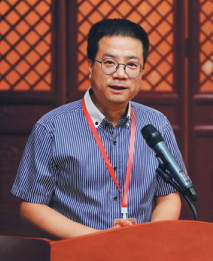
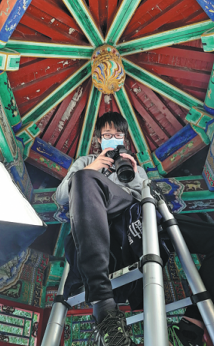
Since his transfer from the post of deputy curator of the Palace Museum (Forbidden City) to the curator of the Prince Kung's Palace Museum, about 3 kilometers away, in 2019, Feng Nai'en, an archaeologist and an ardent proponent of digitalization of museums and other cultural institutions, has had a bigger say in putting his ideas into practice.
Were it not for the COVID-19 pandemic, the impact of the series of cultural activities taking place at the Prince Kung's Palace Museum, which covers 60,000 square meters and housed senior officials during the Qing Dynasty (1644-1911), would have been more evident. The activities range from exhibits of, and seminars on, cultural heritages to digitalization initiatives.
However, the pandemic has accelerated the museum digitalization movement, which had been going on for several years. Digitalization aims, among other things, to meet the museums' objectives of research, conservation and continuation of the world's present and future, and tangible and intangible natural and cultural heritages, and communication with society.
Simply put, digitalization of a museum means taking its collections and "posting" them online, which can be done in various ways. Flat prints and painting are the easiest to digitalize, for it takes just scanning the actual image to do so.
According to Feng, a museum should play multiple roles. It should be developed into a platform for academic research, cultural interactions, and a self-propelled, sustainable and popular cultural industry operator. In short, a museum should be an education provider.
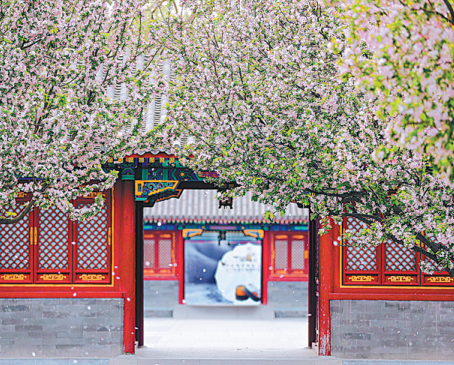
Located in the center of Beijing's traditional courtyard neighborhood, the Prince Kung's Palace Museum pays special attention to interactions and has intensified its interactions with local residents, with the aim of spreading knowledge about the past in the community and beyond. The museum has opened its gardens including the vegetable garden to children so they can get firsthand knowledge of agriculture and horticulture in ancient China, an arrangement that has continued since the Qing Dynasty.
The paper-cutting exhibitions and sales the museum organizes in association with some paper-cutting masters from Xinzhou, Shanxi province, have prompted many local farmers to learn the time-honored skills in their spare time, which has helped increase their incomes, realizing win-win results.
The museum is also trying to diversify its cultural and creative products-from bags to stationeries-and improve their practical use, so people can use them in their daily lives.
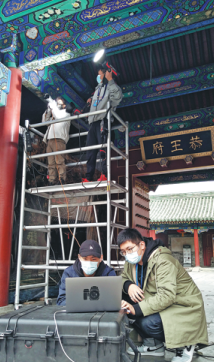
The digitalization of the mansion's unique architecture and nearly 60,000 pieces of antiques and ancient pictures have helped the museum to build a huge database of "digital heritages" open to researchers. The museum also plans to digitally "restore" its lost buildings and setting. This digital restoration will be based on professional archaeological research data and historical records.
Experts say digitalization of museums is of great significance for the conservation of traditional cultural relics. And in the future, museums are more likely than not to use artificial intelligence and the internet of things to create electronic signs for collections and properly maintain them. For, as Feng said, science and technology and culture have always developed together, and the advancement of science and technology should help protect and promote culture, while boosting research and development.
"We are just trying to expand the functional and attributable boundaries of museums to realize larger-than-life effects so that traditional cultural resources can be better used, researched, developed and understood by the modern world," Feng said.
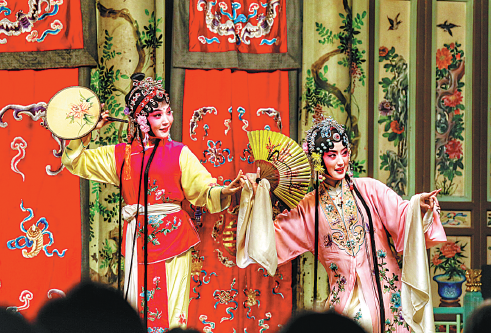
Digital technology is enabling people to experience the charms of culture. For instance, thanks to websites, WeChat, Weibo and other apps and online channels, people today have greater access to history and culture, and they could do so without leaving home. Also, a fashion show of intangible cultural heritages of China the Prince Kung's Palace Museum organized last year attracted 11.83 million viewers online.
"Digital visits" to museums and other cultural institutions have broken the boundaries of time and space, especially after the COVID-19 outbreak, and changed the way people enjoy museums.
"This change has brought new experiences to the audience and is helping transform the museum's operation and management model," Feng said. Yet he is sober-minded and pragmatic about the limits of technology. In fact, he said that people should never stop visiting museums in person nor should curators and museologists try to replace the physical museum with a digital one, because bricks-and-mortar edifices are the foundation of all digital derivatives.
"The museum is the essence; technology only helps maximize its cultural, academic and public effects," Feng said. The application of technologies can help breathe life into antiques and intangible cultural heritages. But it cannot replace the physical objects or real experience.
Contact the writer at liyang@chinadaily.com.cn