Under the weather









Greek villagers reel from extreme effects of climate change
Editor's note: The climate change crisis demands immediate global attention. As COP28 unfolds, the urgency for global action is highlighted by extreme weather events worldwide.
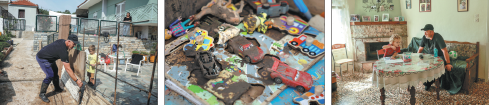
In the small village of Sesklo in central Greece, Vasilis Tsiamitas, 46, has felt the extremes of freak weather phenomena this summer that have made the area a climate change hot spot.
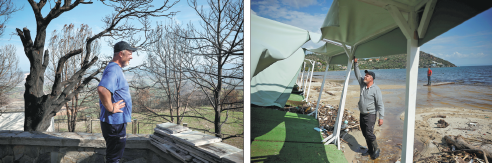
Storm Elias flooded his house, damaged his beach bar and swept away his car in September, finishing off what was left weeks earlier by Storm Daniel, Greece's most intense on record, and a July wildfire that scorched his family almond grove.
Fierce storms and floods have become more frequent in recent years while rising temperatures make summers hotter and drier, creating tinderbox conditions for wildfires.
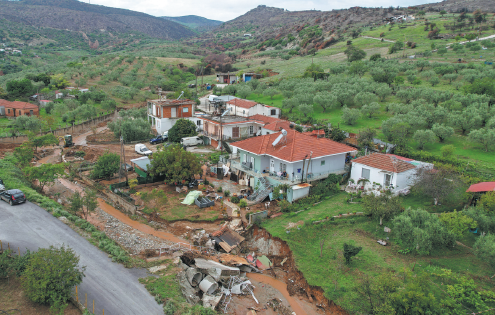
Muddy roads and household furniture stacked up outside to dry in villages across the central mainland region of Thessaly are a constant reminder of the steps Greece needs to take as it adapts to climate change to mitigate the impact of such freak weather events.
Sesklo, a village of about 800 residents near the port city of Volos and home to one of Europe's oldest prehistoric settlements, has survived natural disasters through the centuries.
But its eldest residents, Tsiamitas said, have never experienced anything like this year's devastation.
The wildfire that broke out in July was burning uncontrolled for at least two days.
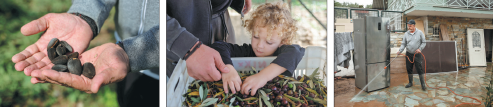
Sesklo residents were evacuated in time but the flames, fanned by strong winds, burned through farmland and groves destroying about 70 percent of the village's almond and olive oil production, said Tsiamitas.
In early September, Storm Daniel hit Thessaly after Greece's longest heat wave in more than 30 years. It killed 16 people and turned the area into an inland sea, destroying homes and farms, with swathes of crops wiped out.
Weeks later Elias, a less intense but unexpected storm, was the final straw.
"We should learn our lesson," Tsiamitas said, looking at stumps of burned almond trees. "We need to uproot them... we need to plant them again. Again and again, we need to start everything from scratch."
Agencies via Xinhua